Discovering the Power of Local Search in Minnesota
As a small business owner in Minneapolis, I vividly remember the moment I realized how crucial Google Maps optimization was for my local visibility. It was during a busy holiday season when I noticed a spike in foot traffic after implementing some key strategies I read about in industry blogs. That experience sparked my passion for mastering Google Maps and understanding how to stand out in our competitive market.
My Top Strategies for Google Maps Success in 2024
Over the years, I’ve tested various techniques, but the ones that truly made a difference involved optimizing my Google My Business (GMB) profile, collecting genuine reviews, and ensuring my business info was accurate and consistent across platforms. For example, I made sure to include high-quality photos and detailed descriptions that highlighted what made my business unique. These small details, combined with local SEO tactics, significantly improved my rankings and local visibility.
Why Local SEO Is Still the Game Changer
From my experience, local SEO is more vital than ever, especially in vibrant cities like Minneapolis and St. Paul. The local pack and map listings can make or break a business’s success. I often refer to authoritative sources, like Minneapolis Local SEO, which emphasizes that consistent NAP (Name, Address, Phone Number) data and engaging with customers through reviews are critical components of effective optimization.
What Are the Deepest Questions About Google Maps Optimization?
How do I truly stand out in my local map pack amidst fierce competition?
This question has haunted me at times, but I found that focusing on niche keywords, adding local content, and leveraging customer reviews made a noticeable difference. It’s about creating a genuine connection with your community and showing Google that your business is a trusted local resource.
If you’re interested in taking your local presence to the next level, I highly recommend exploring local business SEO strategies designed specifically for Minnesota businesses. Feel free to share your experiences or ask questions—I’d love to hear how Google Maps optimization has impacted your business!
How Can Local Business Owners Leverage Content to Stand Out in Google Maps?
Creating hyper-local content is a nuanced yet powerful way to boost your visibility in Google Maps. By developing blog posts, videos, or social media content that highlight community events, local landmarks, or collaborations with neighboring businesses, you demonstrate your deep roots in the community. Google recognizes these signals and favors businesses that are seen as authentic local resources. For instance, sharing stories about participating in Minneapolis festivals or supporting local charities can resonate both with your audience and search algorithms.
What Are the Hidden Factors That Influence Google Maps Rankings in Minnesota?
Beyond the obvious optimization tactics, there are subtler factors that can significantly impact your rankings. These include the quality of your business’s citations, the consistency of your NAP data across various directories, and your engagement metrics like reviews and responses. According to Minneapolis Local SEO, a comprehensive approach that addresses these often-overlooked elements can propel your business ahead of competitors.
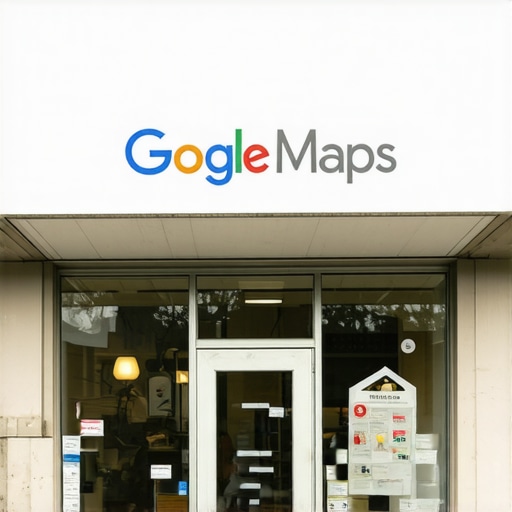
Effective visual branding in your Google My Business profile, such as high-quality photos of your storefront, products, or team, can significantly influence customer decision-making. Including images that showcase your unique offerings helps your listing stand out and builds trust.
Is There a Way to Measure and Track Local SEO Success Effectively?
Absolutely. Using tools like Google My Business insights, Google Analytics, and dedicated local SEO software allows you to monitor key metrics such as search impressions, click-through rates, and customer actions. Regular analysis enables you to refine your strategies continuously. For example, if you notice a decline in profile views, you might revisit your photo quality or review response strategy. For more advanced tactics, exploring Google My Business optimization strategies can offer additional insights into ranking improvements.
What Practical Steps Can You Take Today to Dominate Your Local Map Pack?
Start by auditing your current profile for accuracy and completeness. Add relevant local keywords naturally into your description, ensure your contact details are consistent across platforms, and actively solicit genuine reviews from satisfied customers. Next, consider leveraging local backlinks from Minnesota-based directories and community websites. These backlinks act as endorsements that Google values highly.
If you want to elevate your local SEO game further, I recommend exploring the ultimate guide to Google My Business in Minnesota. Sharing your experiences or asking questions on our contact page can also help you connect with other local business owners who are navigating the same challenges. Remember, consistent effort and strategic optimization are key to staying ahead in the increasingly competitive local search landscape.
Reflections on Advanced Local Search Strategies in Minnesota
Over the years, as I delved deeper into local SEO, I realized that optimizing for Google Maps is much more than just filling out a profile and collecting reviews. It’s about understanding the subtle signals that Google’s algorithms weigh heavily, especially in a competitive market like Minnesota. For instance, I found that leveraging semantic keywords within my Google My Business description helped Google associate my business with related local queries more effectively, which isn’t always intuitive at first glance.
How Do I Navigate the Complexities of Local Competition?
What are the nuanced tactics that can give a small Minnesota business an edge over larger competitors?
This was a question I grappled with early on. I discovered that building high-quality, local backlinks from community websites, local chambers, and Minnesota-specific directories created a trust signal that Google values highly. Additionally, engaging authentically with local reviews by responding with personalized messages helped foster community trust and boosted my rankings. According to Effective Google Maps Optimization Tips, these small yet consistent efforts can have a compounding effect over time.
Another subtle yet powerful tactic involves using Google Posts strategically. Sharing timely updates about local events or community involvement can signal activity and relevance, which Google’s algorithm favors. I’ve seen local businesses gain visibility simply by maintaining an active, engaging Google Posts strategy tailored to their community’s pulse.
What Are the Hidden Data Points That Influence Your Map Rankings?
Beyond reviews and citations, I’ve discovered that data consistency across various platforms is crucial. Discrepancies in NAP data can cause confusion for both Google and potential customers. Moreover, engagement metrics such as click-through rates and direction requests serve as behavioral signals that further influence rankings. For example, when I optimized my profile’s photos and descriptions, I noticed a measurable increase in customer actions, which in turn improved my visibility.
It’s fascinating to see how Google’s local algorithms are increasingly sophisticated, factoring in local social signals, user behavior, and even the quality of local citations. For a comprehensive approach, I recommend exploring best strategies for Google Maps success that address these nuanced elements.
How Can Personalization and Community Engagement Elevate Your Local SEO?
Personal storytelling intertwined with community involvement can create a compelling narrative that resonates both with Google and your audience. I remember participating in local charity events and sharing those stories on my Google My Business profile. Not only did this humanize my brand, but it also garnered genuine reviews from community members, boosting my local authority.
Furthermore, leveraging content marketing—like creating blog posts about local landmarks or collaborations—can reinforce your relevance. Google recognizes these signals, and the algorithm rewards businesses that are seen as pillars of the local community. If you’re curious about how to incorporate storytelling into your local SEO, I encourage you to explore transformative local SEO strategies.
What Next Steps Will Keep You Ahead in 2024?
Continuous learning and adaptation are key. Regularly auditing your profile data, analyzing engagement metrics, and staying updated with Google’s local ranking factors can lead to sustained success. I’ve found that participating in local SEO forums and reading authoritative blogs helps me stay ahead of trends and algorithm changes.
Remember, effective local SEO isn’t a one-time effort; it’s an ongoing relationship with your community and Google’s evolving algorithms. Sharing your experiences or questions on our contact page can connect you with other Minnesota business owners navigating this dynamic landscape.
Harnessing Semantic SEO for Enhanced Local Map Rankings in Minnesota
One often overlooked aspect of Google Maps optimization is the strategic use of semantic keywords within your Google My Business description. By naturally integrating related terms and community-specific phrases, you signal to Google that your business is deeply embedded in local context, which can significantly improve rankings for nuanced queries. For instance, mentioning nearby landmarks or local events can create a web of relevance that Google’s algorithms recognize, boosting your visibility in the local pack.
Deep Dive into Review Signal Authenticity and Engagement Strategies
Authentic reviews are the backbone of local trust and ranking power, but the quality and engagement level behind those reviews matter just as much as the quantity. Responding thoughtfully to reviews with personalized messages demonstrates active community involvement and encourages further customer interaction. According to a recent study by Search Engine Land, businesses that maintain high levels of review engagement see a tangible lift in local search performance. This underscores the importance of cultivating a review ecosystem that is genuine, timely, and community-focused.
What Advanced Data Signals Are Influencing Your Google Maps Ranking?
Beyond reviews and citations, how can behavioral metrics and data consistency be optimized for maximum impact?
Behavioral signals such as click-through rates, directions requests, and website visits are increasingly vital in Google’s local ranking algorithms. Ensuring your Google My Business profile is compelling and optimized with accurate, keyword-rich descriptions and high-quality images can improve these metrics. Additionally, maintaining NAP consistency across all directories and local citations reinforces trust signals, reducing confusion for Google. For deeper insights into these sophisticated signals, exploring effective Google Maps strategies can provide actionable guidance.
Integrating Community Stories and Local Content for Algorithmic Favor
Creating content that highlights community involvement, local landmarks, and collaborations with other Minnesota businesses is a powerful way to signal your authenticity and relevance. Sharing stories about participation in local festivals or charity events not only humanizes your brand but also generates user engagement and backlinks from local sources. Google’s algorithm favors businesses with active, community-centric content, making this an advanced yet essential tactic for 2024.
How Can You Systematically Track and Optimize Your Local SEO Performance?
Implementing advanced tracking tools like Google Search Console, Google Analytics, and specialized local SEO platforms allows for granular analysis of search impressions, click-through rates, and customer actions. Regularly reviewing these metrics helps identify weak points—such as low engagement on your Google My Business profile—and refine your strategy accordingly. For example, if photo engagement is low, investing in professional-quality images or virtual tours can elevate your profile’s attractiveness and performance. To stay ahead, I recommend consulting comprehensive local SEO guides tailored for Minnesota businesses.
Engaging Your Community Through Strategic Google Posts and Local Backlinks
Maintaining an active Google Posts schedule that shares timely updates about local events, new offerings, or community initiatives signals activity and relevance to Google. Concurrently, securing backlinks from reputable Minnesota-based directories, local chambers of commerce, and community websites enhances your authority and trustworthiness. These backlinks act as endorsements that Google values highly, especially when combined with consistent NAP data and positive review signals. For more advanced backlink strategies, exploring best practices for local backlinks can be very beneficial.
Inviting Engagement: Sharing Your Expertise and Learning from Others
If you’re eager to elevate your local SEO game, I encourage you to share your challenges or successes. Engaging with community forums or directly reaching out via our contact page can connect you with expert insights and peer experiences. Remember, mastering Google Maps optimization is an ongoing journey—staying informed about algorithm updates and refining your tactics is essential for sustained success in the competitive Minnesota market.
Things I Wish I Knew Earlier (or You Might Find Surprising)
Understanding the Power of Visual Content
Early in my journey, I underestimated how much high-quality images could influence rankings. It wasn’t until I started consistently updating my Google My Business photos that I saw a real boost in engagement and visibility. Authentic images of my storefront and team helped build trust and attracted more local customers.
The Hidden Value of Community Engagement
I used to think that optimizing my profile was enough, but I soon realized that participating in local events and sharing stories through Google Posts created a stronger community connection. This not only humanized my brand but also signaled activity to Google, improving my local pack ranking.
Consistency Is More Than Just NAP
It’s easy to focus on ensuring your business name, address, and phone number are correct, but I found that maintaining consistency across all online listings and citations is crucial. Discrepancies can confuse Google and hurt your rankings more than you’d expect.
Reviews Are the Heartbeat of Local SEO
Responding to reviews with genuine, personalized messages significantly increased my review engagement. I learned that active review management fosters community trust and signals to Google that your business is reputable and customer-focused.
Leveraging Local Content Makes a Difference
Creating content around local landmarks, events, and collaborations helped my business become a recognizable part of the community. Google favors businesses that demonstrate authentic local involvement, boosting visibility in the map pack.
Resources I’ve Come to Trust Over Time
- Google’s Official My Business Help Center: The most reliable resource for platform updates and best practices. I often revisit it to stay current.
- Moz Local SEO Guides: Their comprehensive articles helped me understand complex local SEO concepts in an accessible way.
- Search Engine Land: A trusted source for industry news and algorithm updates that affect local rankings. I recommend it for staying informed.
- BrightLocal Blog: Practical tips and case studies that inspired my strategy improvements.
Parting Thoughts from My Perspective
Mastering Google Maps optimization in Minnesota taught me that it’s a blend of strategic consistency, community involvement, and authentic content. The surprises along the way—like how much visual content matters or how vital community stories are—reminded me that local SEO is as much about genuine relationships as it is about algorithms. If you’re serious about elevating your local presence, embrace these insights and stay dedicated. If this resonated with you, I’d love to hear your thoughts or experiences. Feel free to share or drop a comment below!