My Personal Journey with Google Maps Optimization in Minneapolis
As a local business owner in Minneapolis, I’ve always known the importance of being visible online. But it wasn’t until I started diving into Google Maps optimization that I truly saw my business thrive. I remember the first time a customer found me via Google Maps—what a game-changer! That experience motivated me to learn everything I could about local SEO and Google Maps strategies specifically tailored for Minneapolis businesses.
Unlocking Local Visibility: My Favorite Strategies
One of the most effective techniques I discovered is claiming and optimizing my Google My Business (GMB) profile. Ensuring my NAP (Name, Address, Phone Number) details are consistent across all listings was a simple step, but it had a significant impact. I also made sure to select the most relevant categories and regularly update my profile with fresh photos and posts. These small actions helped boost my local search presence and made my business more appealing to nearby customers.
How to Make Your Business Stand Out on Google Maps
In 2024, standing out on Google Maps requires more than just basic optimization. I learned that utilizing local keywords naturally within my business description and reviews is essential. For example, mentioning specific neighborhoods or services like “Minneapolis eco-friendly landscaping” helps Google understand my niche. Additionally, encouraging satisfied customers to leave genuine reviews has been invaluable. Reviews not only influence rankings but also build trust with potential clients.
What Are the Latest Google Maps SEO Trends for 2024?
How Can I Stay Ahead in Local Search?
Staying ahead means continuously adapting to new features and algorithms. I follow industry leaders and authoritative sources like Minneapolis Local SEO to keep my strategies fresh. For instance, Google now prioritizes user experience, so optimizing for mobile and ensuring fast load times are more critical than ever. I also leverage local backlinks and participate in community events to boost my local authority.
If you’re serious about dominating Google Maps in Minneapolis, I highly recommend exploring comprehensive strategies outlined in this guide. It’s packed with actionable tips that helped my business gain a competitive edge.
Join the Conversation: Share Your Experiences
If you’ve tried any of these strategies or have your own tips, I’d love to hear from you! Drop a comment below or connect through my contact page. Let’s grow together and make Minneapolis businesses more visible in 2024!
Beyond Basics: Advanced Tactics to Elevate Your Minneapolis Google Maps Rankings
While foundational optimizations like consistent NAP details and engaging reviews are crucial, seasoned local SEO experts know that staying ahead requires diving deeper into more nuanced strategies. One such approach involves leveraging local schema markup. Implementing structured data on your website helps Google better understand your business context, which can enhance your visibility in local search results and Google Maps. For example, marking up your business hours, services, and geographic coordinates can lead to rich snippets that attract more clicks.
How Can Local Schema Markup Impact Your Minneapolis Business?
According to industry authority Moz, schema markup not only improves the clarity of your listing but also signals to Google that your information is authoritative, increasing the likelihood of higher rankings. For Minneapolis businesses aiming to dominate local search, integrating schema can be a game-changer, especially when combined with other strategies like local backlink building and community engagement. These elements collectively boost your local authority, making your business a preferred choice in the neighborhood.
Implementing Hyper-Local Content for Authentic Engagement
Another advanced tactic is creating hyper-local content that resonates with your community. For instance, blog posts about upcoming Minneapolis events, collaborations with local organizations, or customer success stories from your neighborhood can foster trust and relevance. Google values fresh, community-focused content, which can result in improved rankings and more meaningful interactions with potential clients. Remember, the goal is to position your business as an integral part of the Minneapolis community, not just a service provider.
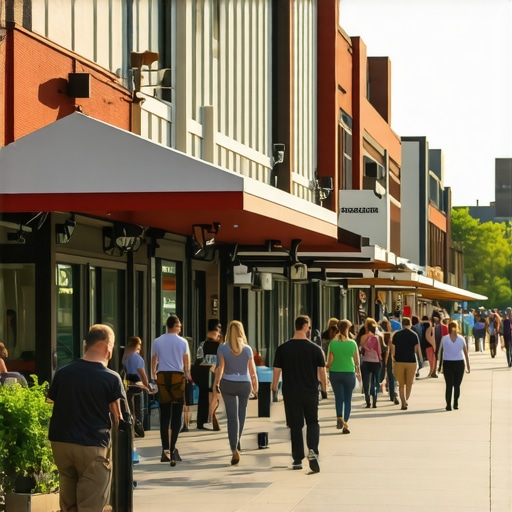
Visualize a vibrant Minneapolis neighborhood with local business storefronts, community events, and happy customers—an ideal image to connect your content with local culture and authenticity.
How Can You Measure and Adapt Your Local SEO Efforts?
Tracking your progress is vital. Use tools like Google Analytics and Google Search Console to monitor traffic, keywords, and user behavior. Additionally, tools like local SEO analytics can provide insights into your visibility and guide strategic adjustments. Regular audits help identify gaps, such as outdated information or missing schema markup, enabling you to refine your tactics continually.
What Are the Emerging Trends in Minneapolis Local SEO for 2024?
Emerging trends include voice search optimization, mobile-first indexing, and the integration of AI-driven chatbots for customer engagement. As voice searches grow, optimizing for conversational keywords becomes increasingly important. Ensuring your website is mobile-friendly enhances both user experience and search rankings. For a comprehensive overview of these trends and how to implement them, I recommend exploring this detailed guide.
If you’re eager to elevate your Minneapolis local SEO game, don’t hesitate to reach out through our contact page. Sharing your experiences or asking questions can help tailor strategies that work best for your unique business context.
Embracing the Nuances of Local SEO: A Personal Reflection
Over the years, my journey with Google Maps optimization has been anything but linear. Initially, I focused on the basics—consistent NAP details, encouraging reviews, and utilizing relevant keywords. But as I became more immersed in the local SEO landscape, I realized that true mastery involves understanding the subtle complexities that influence rankings. For example, I found that integrating local schema markup not only improves visibility but also signals to Google the authority and trustworthiness of my business, which is incredibly impactful in a competitive Minneapolis market.
Balancing Technical Precision with Community Engagement
One insight I’ve gained is that technical SEO must be complemented by authentic community engagement. Creating hyper-local content, like blog posts about Minneapolis events or collaborations with local organizations, has helped me build genuine relationships and trust within my neighborhood. This, in turn, has led to more organic reviews and backlinks—key signals Google considers when ranking local businesses. It’s a delicate balance—technical precision ensures visibility, but community authenticity sustains it over time.
What Are the Deep Questions About Advanced Google Maps Optimization?
How do I leverage emerging AI tools to enhance my local SEO efforts?
Industry leaders like Moz emphasize that AI-driven tools are transforming local SEO by providing more accurate insights and automation opportunities. I started experimenting with AI chatbots for customer engagement, which not only improves user experience but also collects valuable data for refining my Google Maps strategy. For example, AI can help identify trending local keywords or suggest content ideas based on community interests, making your efforts more targeted and effective. As Google continues to evolve, integrating AI insights becomes increasingly vital—what tools or approaches have you found effective in this space?
If you’re looking to stay ahead, I highly recommend exploring advanced SEO strategies for 2024. They delve deeper into how AI and automation can elevate your local rankings and help you understand the nuances of Google’s algorithms better.
Sharing Our Success Stories and Challenges
Engaging with a community of local business owners has been invaluable in my journey. We’ve shared successes, like how a targeted review campaign boosted our visibility, and challenges, such as navigating Google’s frequent algorithm updates. I encourage you to share your experiences—what strategies have worked, what surprises you’ve encountered, and how you’ve adapted. Drop a comment below or connect through my contact page. Together, we can uncover new insights and strengthen our local digital presence.
The Future of Minneapolis Google Maps Optimization: An Ongoing Adventure
As I look ahead, I realize that mastering Google Maps in Minneapolis is an ongoing adventure—one that requires continuous learning, adaptation, and authentic engagement. The landscape is always shifting, with new features, algorithms, and community dynamics emerging regularly. Staying curious and proactive is key. I’ve found that the most successful local businesses are those that see SEO not just as a set-it-and-forget-it task but as a vital part of their community-building efforts.
Harnessing the Power of Local Data Insights for Superior Visibility
In my ongoing quest to refine my Minneapolis Google Maps optimization approach, I discovered that leveraging local data analytics can be transformative. Tools like local SEO analytics enable me to uncover nuanced consumer behaviors, seasonal trends, and neighborhood-specific preferences. By integrating these insights into my content and service offerings, I’ve been able to tailor my marketing strategies with surgical precision, ensuring my business not only ranks higher but also resonates deeply with the local community.
The Role of AI in Predictive Local SEO
Emerging AI-driven platforms are revolutionizing how small businesses anticipate market shifts. I’ve experimented with AI tools that analyze search patterns, review sentiments, and predict emerging neighborhood hotspots. According to industry research by Moz, the integration of AI with schema markup and keyword optimization can significantly enhance local relevance. This proactive stance allows my business to be among the first to capitalize on new opportunities, whether it’s a trending service or a community event, thereby cementing my prominence on Google Maps.
How Can I Utilize AI to Personalize Customer Engagement and Boost Local Rankings?
Personalized customer interactions are crucial. I’ve integrated AI-powered chatbots on my website to handle common inquiries and collect feedback. This not only improves user experience but also generates fresh, relevant content that Google favors. Additionally, AI can assist in crafting hyper-specific local content—like blog posts about upcoming Minneapolis festivals or neighborhood histories—further reinforcing my business’s local authority. For those eager to elevate their local SEO game, exploring tools like AI-driven SEO platforms is an investment worth considering.
Deepening Community Engagement Through Authentic Digital Experiences
Beyond technical tactics, I’ve realized that genuine community engagement remains the cornerstone of sustained local SEO success. Hosting or sponsoring Minneapolis events, creating content around local stories, and actively participating in neighborhood forums foster authenticity. Such efforts organically generate reviews, backlinks, and social signals—key ranking factors according to Moz. My advice? Think of your Google Maps profile as a digital extension of your community presence; it’s about building trust and rapport as much as optimizing keywords.
Strategic Link Building within the Minneapolis Ecosystem
Establishing a network of local backlinks from reputable Minneapolis websites, blogs, and community portals can dramatically elevate your local search standings. I’ve collaborated with local chambers of commerce, sponsored neighborhood initiatives, and contributed guest posts to community blogs to build a resilient backlink profile. This approach signals to Google that your business is a trusted, integral part of the local fabric. For detailed tactics, I recommend reviewing this comprehensive guide on local link-building strategies.
Engage and Share Your Progress in the Minneapolis Business Community
Ultimately, personal interaction fuels growth. I invite you to share your experiences, successes, and challenges with local SEO in Minneapolis. Whether it’s through comments or connecting via my contact page, exchanging insights can lead to innovative solutions. Remember, mastery in Google Maps optimization is as much about community as it is about algorithms. Let’s continue this journey together, pushing the boundaries of what’s possible in local digital marketing.
Things I Wish I Knew Earlier (or You Might Find Surprising)
1. The Power of Consistency
One thing I underestimated was how crucial consistent NAP (Name, Address, Phone Number) details across all platforms are. I used to think minor discrepancies didn’t matter, but I learned that they can significantly hurt your local SEO, especially on Google Maps. Ensuring every listing and mention matches perfectly can make a real difference in ranking higher in local searches.
The Hidden Impact of Local Schema Markup
Implementing local schema markup was a game-changer I didn’t fully appreciate at first. Adding structured data about my business hours, services, and location helped Google understand my business better. This often led to rich snippets in search results, boosting my visibility and credibility in Minneapolis.
2. Reviews Are More Than Just Feedback
Reviews aren’t just social proof—they directly influence your Google Maps ranking. I found that encouraging genuine, positive reviews from satisfied customers increased my local ranking and attracted more clients. However, it’s important to foster authentic reviews; fake or incentivized ones can harm your credibility and SEO.
3. Local Content Matters More Than Keywords
Creating hyper-local content about Minneapolis events, neighborhood news, or community stories helped my business connect more deeply with the local audience. Google favors fresh, community-focused content that shows your business is genuinely engaged with the neighborhood.
4. Mobile Optimization Is Non-Negotiable
Given that most local searches happen on mobile devices, ensuring my website and profile are mobile-friendly was vital. Fast load times and a seamless mobile experience improved my Google Maps visibility and user engagement.
5. Community Engagement Is a Long-Term Strategy
Participating in local events, sponsoring neighborhood initiatives, and collaborating with other Minneapolis businesses created a strong local network. This community presence translated into more organic reviews, backlinks, and trust—factors that help sustain high rankings over time.
Resources I’ve Come to Trust Over Time
1. Moz’s Schema Markup Guide
Moz’s detailed explanations about schema markup helped me understand how to implement structured data effectively. It’s a trustworthy resource that deepened my SEO knowledge.
2. Google’s Official My Business Guidelines
Google’s own documentation provided the most accurate and up-to-date best practices for managing and optimizing my profile. I recommend it to anyone serious about local SEO.
3. Local SEO Blog by Neil Patel
Neil Patel’s blog offers practical tips and insights on local SEO strategies, including Google Maps optimization. It’s a reliable source that keeps me inspired and informed.
4. BrightLocal’s Local Search Resources
BrightLocal provides comprehensive guides and tools that helped me track my progress and refine my local SEO efforts over time.
Parting Thoughts from My Perspective
Looking back, mastering Google Maps in Minneapolis has been a journey of continuous learning and authentic engagement. The key takeaway is that technical optimization, community involvement, and genuine reviews create a powerful trifecta that elevates your local presence. If you’re serious about standing out locally, focus on consistency, community, and staying informed through trusted resources like Moz and Google’s official guidelines. I’d love to hear your experiences—feel free to share your story or ask questions in the comments or on my contact page. Let’s keep growing together and making Minneapolis businesses more visible in 2024!