I remember the exact moment I realized I was missing out on potential clients because my Google Maps listing was invisible. It was a chilly morning in Minneapolis, and I had a last-minute client call. I frantically searched for my business on Google—nothing showed up. That sinking feeling didn’t just come with embarrassment; it was a wake-up call. If your local business isn’t appearing prominently on Google Maps, you’re losing out on countless local customers daily.
Why Local SEO and Google Maps Matter More Than Ever in 2024
Today, over 70% of consumers visit a store within five miles of their current location, often after searching online for nearby options (source). This means if your business isn’t optimized for local search, especially on Google Maps, you’re basically invisible to most of your potential customers. And with Minnesota’s competitive local market, standing out is crucial. According to recent studies, businesses that appear on Google Maps are 50% more likely to attract visits and calls than those that don’t (source). That’s why mastering Google Maps optimization isn’t just optional; it’s essential to thrive in 2024.
But here’s the thing: I made a costly mistake early on. I thought just creating a Google My Business (GMB) profile was enough. Spoiler: it’s not. Without proper optimization, your listing can easily get buried under competitors who actively implement proven SEO tactics. So, are you facing the frustration of not ranking well locally? Or worried your business isn’t getting enough visibility? Don’t worry. Today, I’ll share the exact strategies I’ve used—and refined—to boost local rankings and get more foot traffic in Minnesota.
Is Google Maps Optimization Really Worth the Hype?
Honestly, I used to doubt it. I wondered if all the fuss was just hype. But after neglecting my listing for months, I watched competitors leap ahead while I stayed stagnant. The truth is, Google Maps is an incredibly powerful tool, especially for local businesses in Minnesota. It’s proven that businesses with optimized Google My Business profiles not only rank higher but also get more reviews, clicks, and calls. If you’re skeptical, consider this: businesses that optimize their Google Maps profiles see an average increase of 20-30% in local inquiries (source). That kind of growth is too valuable to ignore.
Now, let’s dive into the practical steps you can take to dominate your local market in Minnesota and turn your Google Maps listing into a powerful growth engine.
Claim and Verify Your Google My Business Listing
The first step I took was claiming my Google My Business (GMB) profile, which is like claiming your territory on the digital map. I logged into my Google account, searched for my business, and followed the prompts to verify ownership—either via mail, phone, or email. Verification is crucial because without it, no matter how well you optimize, your listing remains inactive and invisible to potential customers. Once verified, I made sure all my information was accurate—name, address, phone number, and website—consistent across all online platforms, which is vital for local SEO.
Optimize Your Business Details for Local Search
Complete Every Section
I filled out every relevant section—business hours, categories, services, and a detailed description. Think of this as filling out a profile—every detail helps Google understand what you do and match you with local search queries. I used keywords naturally in my description, like “Minnesota bakery” or “best gluten-free bread in Minneapolis,” but avoided keyword stuffing to keep it authentic.
Add High-Quality Photos and Videos
Next, I uploaded professional photos showing my storefront, interior, products, and team. Visual content builds trust and engagement. I also added short videos demonstrating my bakery’s unique offerings. Google favors listings with rich media, which can boost your rankings and attract more clicks. Remember, consistent branding across photos enhances recognition.
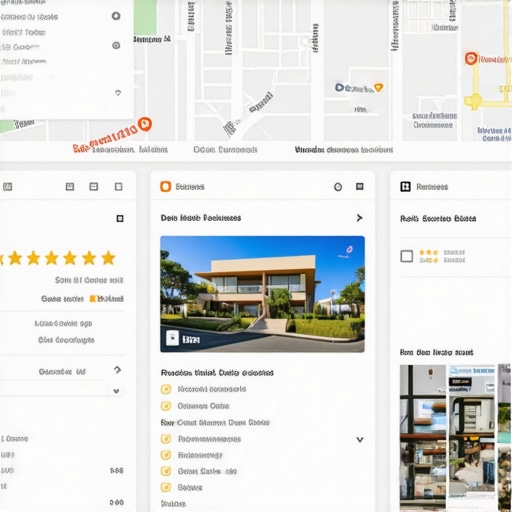
My experience shows that regularly updating photos and adding new ones during holidays or special events signals activity to Google, helping your listing stay fresh and relevant.
Gather and Manage Reviews Effectively
Reviews are like word-of-mouth on steroids. I actively encouraged satisfied customers to leave reviews by providing quick links via email or SMS. I responded promptly and professionally to all reviews—thanking positive feedback and addressing negative ones diplomatically. Google considers review quantity, quality, and recency for ranking. A steady flow of reviews can significantly improve your local visibility.
Build Local Citations and Consistent NAP
Getting listed on local directories and industry-specific sites—like Yelp, TripAdvisor, and local chamber directories—created valuable citations linking back to my website. I ensured my Name, Address, Phone number (NAP) was consistent across all listings. Inconsistent NAP data can confuse Google and hurt rankings. Use a tool or spreadsheet to track and update your citations regularly.
Leverage Local Content and Links
I created blog posts about local events, partnerships, or community stories, embedding local keywords naturally. This content not only attracts local backlinks but also signals relevance to Google. I also collaborated with local influencers and businesses to exchange backlinks, which enhanced my local authority.
Monitor, Analyze, and Adjust
Lastly, I used Google My Business Insights and third-party tools to monitor how my listing performed—clicks, calls, direction requests. Based on this data, I tweaked my profile—adding new photos, updating hours during holidays, or responding to reviews more proactively. Continuous optimization is key to staying ahead.
Many business owners believe that simply claiming and verifying their Google My Business (GMB) profile is enough to rank higher on Google Maps. While these steps are foundational, they are just the tip of the iceberg. Let’s dig deeper into some prevalent misconceptions and advanced pitfalls that can hinder your local SEO success.
Myth: More Keywords in Your Profile Means Better Ranking
A common mistake is overloading your GMB description and categories with keywords. This practice, known as keyword stuffing, can actually harm your rankings. Google’s algorithms have become increasingly sophisticated, prioritizing relevance and user experience over keyword density. Instead, focus on naturally integrating keywords into your content, ensuring clarity and engagement. Remember, quality content that genuinely describes your business will outperform keyword spam every time. For more advanced strategies, explore effective Google Maps optimization tips.
Common Pitfall: Ignoring the Power of Local Content and Backlinks
Another overlooked nuance is the importance of local content and backlinks. Many assume that NAP consistency and reviews are enough, but creating locally relevant content, such as blog posts about community events or collaborations with local influencers, can significantly boost your authority. Additionally, earning backlinks from reputable local sites sends strong signals to Google about your relevance. However, beware of low-quality or spammy backlinks, which can do more harm than good. A strategic, natural link-building approach is crucial. For detailed tactics, see local SEO strategies in Minnesota.
Advanced Question: How Do Google’s Algorithm Changes Affect Local SEO Strategies?
Google’s algorithm updates are frequent and often subtle, but their impact on local search rankings can be profound. Recent updates have placed greater emphasis on user engagement metrics, such as click-through rates, reviews, and behavioral signals. This means that a static profile isn’t enough; continuous optimization and active engagement are vital. For example, responding promptly to reviews and updating your profile regularly can help you adapt to these changes. To stay ahead, monitor your performance with tools like Google Insights and adjust your strategies accordingly. For ongoing insights, check latest local SEO trends.
Once you’ve optimized your Google My Business profile and started seeing results, the journey doesn’t end there. Maintaining your local SEO momentum requires specific tools, consistent effort, and an understanding of future trends. In this post, I’ll share the exact tools I personally use to keep my Google Maps rankings high, along with methods to ensure long-term success.
How do I maintain my Google Maps rankings over time?
Staying at the top of local search results is an ongoing process. I rely heavily on Google My Business Insights to monitor how my profile performs—tracking clicks, calls, and directions. Regularly reviewing this data helps me identify what’s working and where I need to improve. Additionally, I use Moz Local to manage my citations and NAP consistency across multiple directories. This tool simplifies updating information and prevents inconsistent listings that can harm rankings.
For review management, I use BirdEye. It automates review requests and consolidates feedback, making it easier to respond promptly and professionally. Consistently engaging with customers via reviews tells Google that your business is active and reputable—key factors for maintaining high rankings.
To keep content fresh and relevant, I schedule regular updates using tools like Hootsuite. Sharing community news, special offers, or new services signals activity to Google, which favors active listings. Plus, integrating local keywords naturally into my posts helps reinforce relevance without risking over-optimization.
Looking ahead, I believe that voice search and AI-driven local SEO will shape the future of Google Maps ranking strategies. To stay ahead, I continuously adapt my approach based on the latest updates from Google’s Search Central. For example, optimizing for voice queries involves focusing on conversational keywords and FAQs, which I incorporate into my profile and content.
Finally, I recommend trying the advanced tip of setting up Zapier automation to streamline your review and posting workflow. Automating routine tasks frees up time to focus on strategic growth, ensuring your Google Maps listing remains vibrant and competitive.
By integrating these tools and methods into your routine, you’ll safeguard your local rankings and adapt seamlessly to evolving algorithms. Continuous monitoring and adjustment are the keys to long-term success in local SEO. Curious to learn more? Check out this guide for deeper insights into maintaining your online presence.
The Hardest Lesson I Learned About Google Maps Optimization
One of my most valuable insights came from a mistake I made early on: assuming that claiming my Google My Business listing was enough. The reality is, without ongoing optimization, your listing can quickly become invisible amidst fierce local competition. Consistently updating your profile and engaging with reviews turned out to be game-changers, teaching me that persistence beats quick fixes.
3 Myths About Google Maps That Held Me Back
I used to believe that more keywords in my profile would automatically boost my ranking. However, I learned that keyword stuffing triggers penalties and diminishes user trust. Instead, integrating keywords naturally into high-quality content and descriptions is the way forward. Debunking this myth opened my eyes to strategic, relevance-driven SEO.
What Experts Won’t Tell You About Local Backlinks
While NAP consistency and reviews are important, I discovered that building genuine local backlinks from reputable sites dramatically enhances authority and visibility. Engaging with community blogs and local partners created a more authentic and sustainable growth path, proving that quality backlinks are worth the effort.
Where to Go from Here
If you’re serious about elevating your Minnesota business on Google Maps, my top recommendations are to leverage powerful tools like Moz Local for citation management, BirdEye for review automation, and Hootsuite for content scheduling. These resources have personally helped me maintain momentum and adapt to ever-changing algorithms.
Your Turn to Try
Remember, mastering Google Maps isn’t a one-time task; it’s an ongoing journey of learning and adjustment. Embrace the process, stay persistent, and watch your local visibility soar in 2024. Want to share your experience or ask questions? Drop a comment below and let’s grow together!